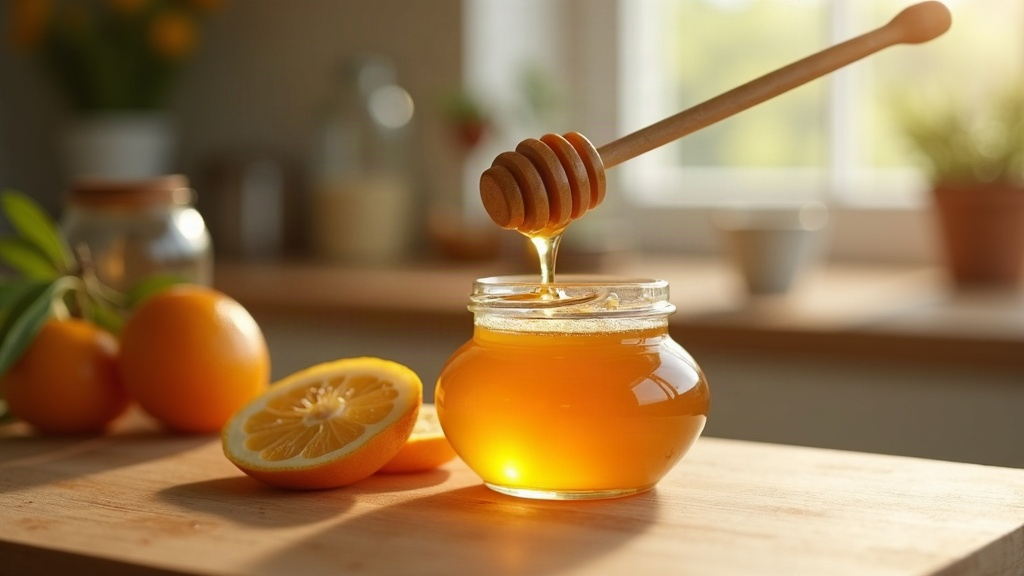
Somewhere between the errands you forget and the names that hover just out of reach, a strange little question keeps surfacing online: why do so many people over 50 talk about honey in the same breath as mental clarity? This page walks through the discussion — the folklore, the skepticism, and the parts worth thinking about — without pretending to hand you an answer in a jar.
Nobody hands you a manual for what happens to your thinking in your fifties, sixties, and beyond. The changes are real, they are common, and — this matters — they are rarely about one single cause. Here’s what’s typically at play.
Processing speed naturally shifts with age. It's not that the information disappears — it's that retrieval takes a beat longer, and that beat feels unsettling the first hundred times it happens.
Deep sleep stages shorten with age for most people, and those stages are closely tied to how the brain consolidates the day's experiences overnight.
Decades of accumulated stress — financial, caregiving, health-related — take a cognitive toll that rarely gets named directly, even though it's discussed constantly in research circles.
Diets shift with age, appetite shifts with age, and few people over 50 are tracking whether their intake still matches what their brain and body actually need.
The internet loves a tidy narrative. Reality is messier. Here’s a look at three common claims floating around, set next to what’s more carefully established.
Honey is basically just sugar, so it does nothing different for the body.
Honey and refined sugar are chemically distinct in composition and how they’re processed, though neither should be framed as a treatment for any condition.
If a food is ‘natural,’ it’s automatically good for cognitive health.
Natural origin says nothing about effect size, dosage, or relevance to brain health — that requires actual study, not assumption.
Memory decline after 50 is inevitable and nothing about daily habits matters.
Sleep quality, stress load, and nutrition are consistently discussed in cognitive aging research as factors worth paying attention to, even without guaranteed outcomes.
There’s no single method being promoted here — just a pattern that keeps showing up in how people over 50 are structuring their curiosity about honey and cognitive wellness.
Before trying anything, most people start by separating marketing language from what’s genuinely being studied or discussed in traditional and scientific contexts.
Not all honey is treated equally in these discussions — raw, minimally processed varieties get mentioned far more often than heavily filtered commercial blends.
Because this topic gets oversimplified constantly, many people choose to watch a fuller explanation before forming an opinion one way or another.
Honey shows up in historical texts across multiple continents — Egyptian medical papyri, traditional Ayurvedic practice, classical Greek writing — long before anyone had the tools to explain why. Modern researchers have circled back to some of these substances not to validate old claims wholesale, but to ask more precise questions about specific compounds, specific mechanisms, and specific limits. That distinction — between reverence and evidence — is exactly where this conversation tends to get muddled online.
The interesting part isn’t that honey was used historically. Almost everything edible was used historically for something. The interesting part is which specific claims have held up to closer, modern scrutiny — and which haven’t.
Occasionally forgetting a word is normal. Regularly losing entire trains of thought mid-conversation is worth mentioning to a healthcare provider.
Disorientation in routine, well-known settings is a different category of concern than misplacing your keys.
Struggling to follow a familiar recipe or a routine work process from start to finish deserves attention, not dismissal.
Avoiding conversation because keeping up feels exhausting is a pattern worth discussing openly with someone you trust.
Asking the same question multiple times within a short window is different from simple forgetfulness.
When memory concerns arrive paired with new irritability or apathy, that combination is worth flagging to a professional.
These testimonials reflect individual opinions and experiences. They are not a guarantee of any outcome, and results vary significantly from person to person.
This page discusses a topic covered in a video presentation. Any products referenced are addressed within that content, not diagnosed or prescribed here.
No. Nothing on this page claims to cure, treat, diagnose, or prevent any condition. This is an educational discussion of a widely debated topic.
The age group tends to be more actively researching cognitive wellness topics generally, and honey happens to be a frequent subject in that broader online conversation.
There is ongoing research into various food compounds and cognitive health broadly. The video referenced from this page walks through some of that context in more detail.
It’s a full-length explanation rather than a quick clip, designed for someone who wants context rather than a soundbite.
Absolutely not. Never adjust or stop any medication without first speaking to your healthcare provider.
Adults over 50 who are curious about the conversation around cognitive wellness and want context before forming an opinion.
The video referenced throughout this page goes into far more depth than a written summary allows. If the questions raised here resonated with you, it’s worth watching before you make up your mind either way.
Advertising Disclosure: This page contains sponsored content and affiliate links. We may receive compensation if you click a link or make a purchase through the links provided on this page. This compensation does not influence our editorial content or opinions.
Content Disclaimer: The information provided on this page is for educational purposes only and is not intended as medical advice. Statements made have not been evaluated by the Food and Drug Administration. Any products or topics mentioned are not intended to diagnose, treat, cure, or prevent any disease. Always consult a qualified healthcare professional before making changes to your diet, supplement routine, or medication.
Results Disclaimer: Individual results vary. Testimonials and personal accounts shared on this page reflect individual opinions and experiences and are not a guarantee, promise, or representation of the results any other person may achieve.
© 2026 · All Rights Reserved · /contact/